The Maluku Islands in Indonesia: All About Vacations
By Anna Skumina
11.02.2026
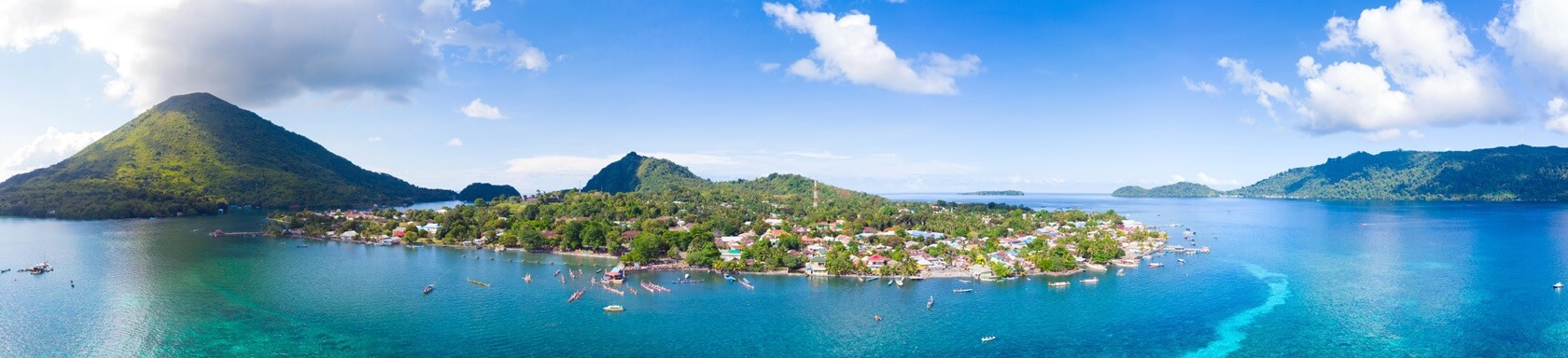
The Maluku Islands, also known as the Spice Islands, are one of Indonesia's picturesque archipelagos. Steeped in stories of the "Spice Wars," the Maluku Islands beckon travelers with their pristine beaches, lush jungles, rich underwater world, and unique culture.
General information

Depositphotos
The Maluku Islands can be reached by direct flights from Jakarta to Ambon and Ternate. Airlines operating these flights include Garuda and Batik Air.
The Maluku Islands occupied a strategic position in the ancient spice trade, particularly cloves and nutmeg. These valuable commodities were highly sought after for their culinary and medicinal properties. Traders from distant lands crossed the seas to reach these islands, turning them into a hub of global trade.
Despite their turbulent history of colonial conquest, the Maluku Islands have retained a rich cultural heritage. They are home to diverse ethnic groups, each with their own unique traditions, languages, and customs.

Depositphotos
As the islands served as a vital spice trade hub, attracting traders from Asia and Europe, these interactions not only shaped the local economy but also its cultural heritage.
The Maluku Islands are renowned for their vibrant musical and dance traditions. Music, often accompanied by rhythmic drumming and melodic chants, plays a central role in ceremonies, festivals, and everyday life. Cakalele dance is distinguished by intricate movements and colorful costumes that reflect the islands' cultural heritage.
The Maluku Islands are also known for their traditional crafts, including intricate wood carving, woven textiles, and pottery. Spices remain an important part of the Maluku economy. Pearl farming, sago production, and fishing are also popular activities on the islands.
Tourism also plays a significant role in the Maluku Islands' economy. Ambon, the region's capital, serves as a gateway for tourists seeking to explore the islands' natural wonders and immerse themselves in local culture.

Depositphotos
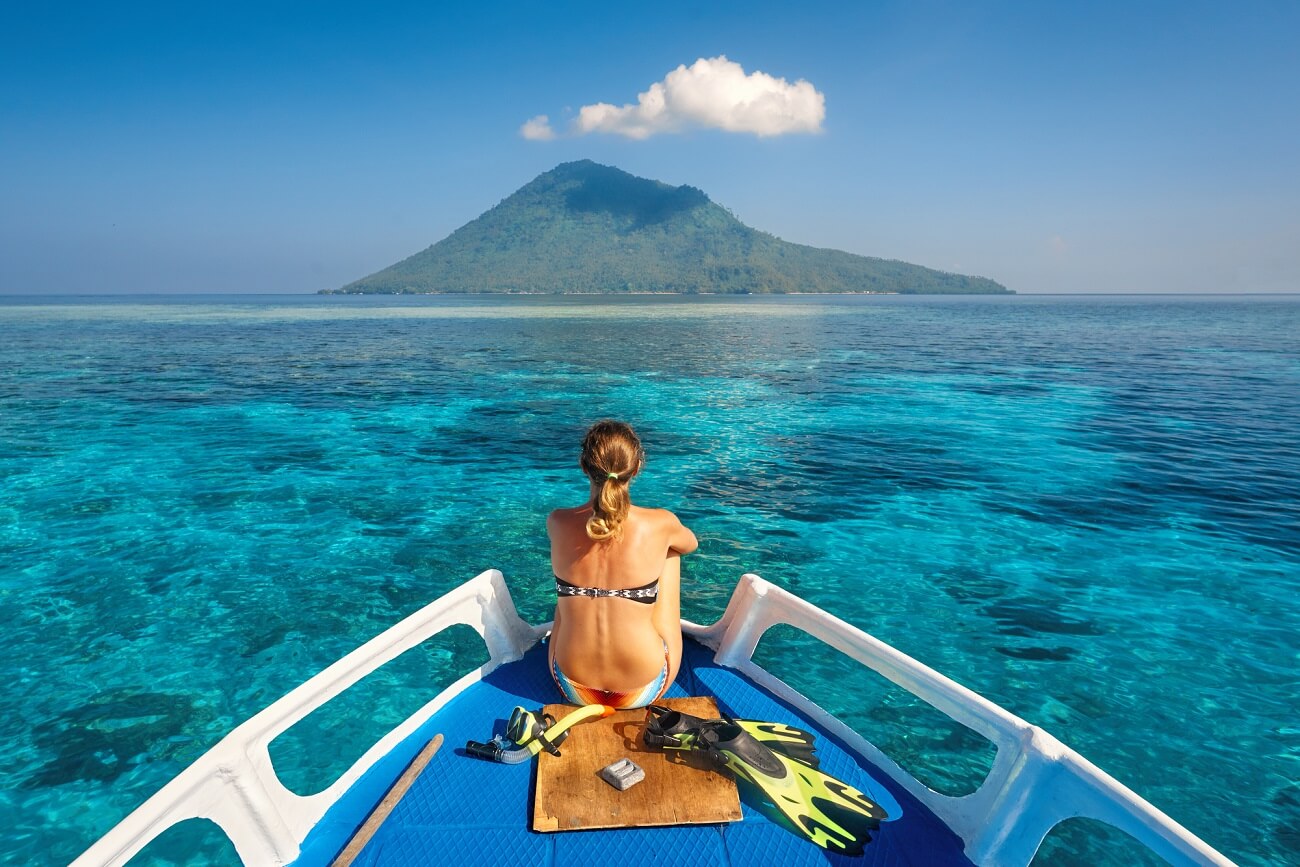
The rich natural environment of the Maluku Islands encourages the development of sea excursions and activities in the region.
Ambon Island offers two types of diving: muck diving, which takes place mainly in Ambon Bay, and reef/wall diving around the island.
Muck diving gets its name from the sediment that lies at the bottom of many dive sites. Dives often occur in murky waters, often filled with dead coral skeletons and artificial debris. This environment, with limited visibility, fosters the thriving of marine life such as frogfish, seahorses, scorpionfish, octopuses, crabs, shrimp, eels, nudibranchs, pufferfish, flounder, and many others.
As for reef/wall diving, the southern side of Ambon and around Haruku Island boast magnificent coral walls, drop-offs, and caves. Here, divers can expect minimal crowds, clear water, excellent reefs, and an abundance of marine life.
The best time for diving in the Maluku Islands is March and April, and from mid-September to the end of December.
Popular dive sites around Ambon include Batu Berdiri, Airport Jetty, Rhino City, Pintu Kota, the SS Aquila wreck, and others.

Depositphotos
Manusela Park, located on Seram Island, is a must-see for nature lovers and adventurers alike. In the local language, "manusela" means "bird of freedom." This tranquil spot offers a unique atmosphere of oneness with nature.
Manusela National Park offers breathtaking views of lush tropical forests, clear waters, and wildlife encounters. The park boasts a diverse array of plants, including various orchids, and is home to 118 species of birds and 38 species of mammals, including rare and endangered species.
In addition to the unique flora and fauna, there are four authentic villages, Mount Manusela, and Goa Hatusaka, the deepest cave in Indonesia.

Fabian Lambeck, CC BY-SA 4.0, via Wikimedia Commons
The park is located on Halmahera Island and covers 167,300 hectares, or 9% of the island's total land area. It is home to over 100 species of birds, over 50 species of reptiles, and numerous other flora and fauna.
The Bandas Islands held immense strategic importance due to their production of valuable spices, which were in high demand in Europe and commanded exorbitant prices, making control of the islands a lucrative prospect for European powers. Remains of forts from this period can be seen here today.
History buffs should also check out Forts Orange and Kastella in Ternate, as well as Fort Amsterdam, located near Ambon.

Depositphotos
Experienced travelers can explore the islands on their own, while those who prefer a more organized approach can purchase a multi-day tour that includes visits to the most popular locations.

Depositphotos
Ambon offers a variety of accommodation options, from inexpensive yet cozy guesthouses to comfortable hotels. For example:

Swiss-Belhotel Ambon
The traditional food of the indigenous Maluku people is papeda, a type of porridge made from sago starch. Papeda is eaten as a standalone dish and is also often served with fish or seafood. Besides seafood, chicken dishes and, of course, spices are popular in the region.
Most restaurants and eateries are concentrated on larger islands such as Ambon and Ternate. Ambon, in particular, is renowned for its local cuisine at reasonable prices, including Dapor Kole Kole, Rumah Makan Sari Gurih, and Imperial Resto.

Depositphotos