Mauritius - a complete guide: resorts, beaches, hotels and the main tips
By Viktoria Mudra
04.04.2026
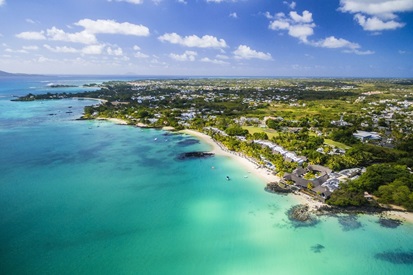
Mauritius is a true cocktail of cultures, nature and paradise beaches. It is emerald mountains, luxurious beaches and Creole flavours. A country seemingly lost among the waters of the Indian Ocean - it is not so easy to find it on the map. The island is surrounded by a magnificent coral reef, which is the third largest in the world. And that is far from its only advantage. We have prepared a guide that will help you discover Mauritius.

Depositphotos
Mauritius has a tropical climate, which means it is warm here all year round. Temperatures stay within a comfortable range of +25°C to +30°C. But there are important nuances:
May - December. Dry season, ideal for all kinds of holidays. This is the Mauritian "winter" and the most comfortable time. The weather is dry, sunny and without exhausting heat. The ocean is calm, the sky is clear. Perfect for beach holidays, snorkelling, diving and exploring the island from one end to the other.
January - April. Hot and humid season, "summer" with high humidity. This is also cyclone season. Usually these are powerful but short tropical downpours, after which the sun comes out again. On the other hand, nature is especially lush and emerald-green at this time, and the waterfalls are at their fullest.
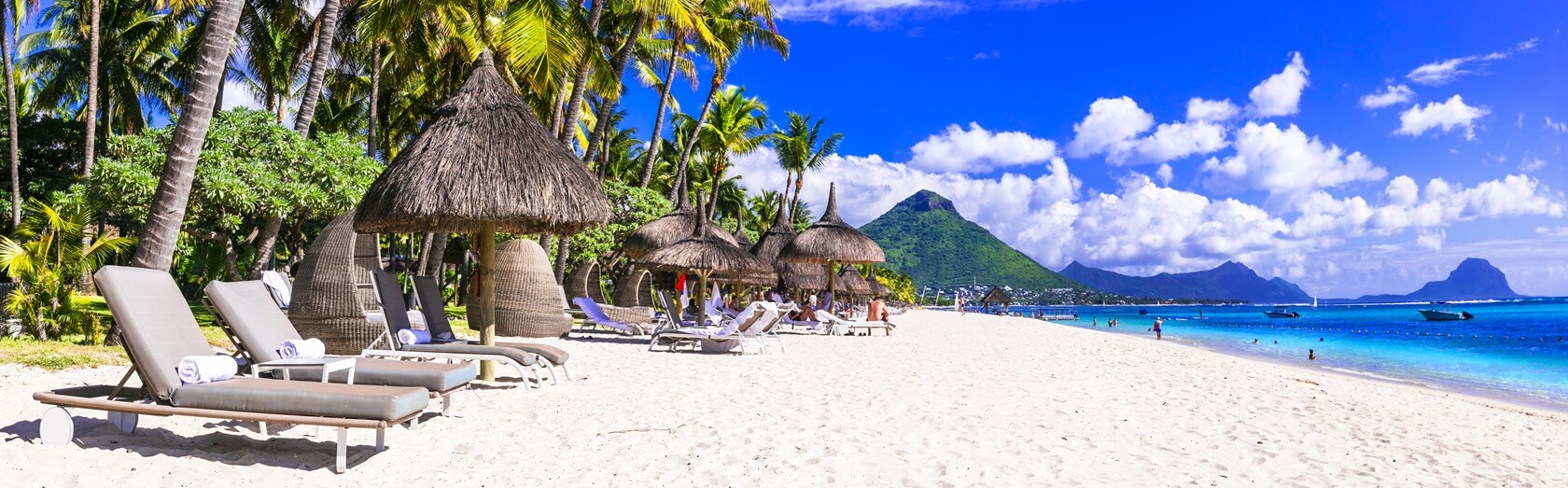
Season for surfers - from July to September. This is your season if you dream of catching a wave in Mauritius. On the south-east coast, especially around Le Morne, steady winds blow and create ideal conditions for surfing and kitesurfing.

Depositphotos
The island’s only international airport is Sir Seewoosagur Ramgoolam Airport (MRU).
Visa: for citizens of most countries, including Russia, Ukraine, Kazakhstan and EU countries, no visa is needed for Mauritius for tourist stays of up to 60-90 days. The main requirement is that your passport must remain valid for at least 6 months after your planned departure date.
Before departure, every tourist must fill in the online "Mauritius All in One Travel Form" in advance. This is a digital health form and immigration card. At the border, be ready to show a return ticket, proof of hotel booking or other accommodation, and valid travel insurance.

Depositphotos
Choosing where to stay in Mauritius is a key decision. The island can roughly be divided into:

Depositphotos
There are 58 official beaches on the island, so when choosing a hotel on the coast it is easy to feel overwhelmed - there are more than enough of them. Pay attention to some of the island’s most stunning beaches.

Depositphotos

Depositphotos
The coastline of Mauritius stretches for 330 kilometres. Of course, among its many beautiful beaches you can find hotels in every segment - from luxury resorts with All Inclusive and world-class service to small cosy villas for a quiet holiday. Here are some of the most popular with travellers:
Royal Palm is located on the calm north-west coast, where it is sunny almost all the time. The hotel is small, with only 69 rooms, so it is quiet here. The service is impeccable, and the infrastructure is quite extensive: three pools, a wide calm beach, a fitness centre, tennis courts, water sports and a Clarins spa.
For children - a kids club, educational activities and babysitting on request. Dining: high-end à la carte cuisine, without all inclusive.

Depositphotos
A tropical hideaway tucked among jungle and mangroves. Constance Prince Maurice was designed around harmony with nature, with ocean all around and absolute silence. The hotel’s main highlight is the floating restaurant in the lagoon. Guests have access to two large pools, an equipped beach, a kids club, several restaurants, a wine cellar, a water sports centre, and nearby golf courses.

Constance Prince Maurice
The main feature of the hotel is its incredible location at the foot of Le Morne mountain. Simply magical scenery. It has one of the best spas on the island, hidden in a quiet zen garden. A pleasant bonus: guests of Dinarobin Beachcomber can freely visit the neighbouring Paradis and use all of its restaurants and beaches.
The infrastructure includes several pools, a long beach, an 18-hole golf course, a water sports centre, fitness, and a spa with separate pavilions.
For children there is a kids club and a water sports school.

Dinarobin Beachcomber Golf Resort & Spa
An elegant colonial-style hotel, but with many modern activities. Five restaurants, tennis, yoga, and one of the best kitesurfing locations on the island. Each room has its own butler. This is an excellent option for families or couples who want to combine a beautiful holiday with entertainment close at hand. Choose The St. Regis Le Morne Resort for a luxury holiday in Mauritius.

The St. Regis Le Morne Resort, Mauritius
Luxurious eco-design surrounded by the wild nature of the south coast, a secluded beach - the perfect place to escape the bustle. The focus is on creative cuisine and vivid experiences. Infrastructure: a designer pool, a quiet beach in the bay, a modern spa complex, a signature restaurant, fitness, yoga by the ocean, and nature walks. So Sofitel Mauritius creates unforgettable impressions.

So Sofitel Mauritius
The Oberoi is an elegant hotel offering luxury, comfort and a private atmosphere. There are no standard blocks here - only pavilions and villas with private gardens and pools. You can spend your whole holiday almost without meeting other guests.
Infrastructure: a refined restaurant, several pools, a spacious beach, yoga, spa pavilions and an art studio. For children there is an entertainment club.

The Oberoi Beach Resort, Mauritius
This is not just a hotel, but a wellness resort on the wild south of the island. The main pride of Shanti Maurice is its huge spa complex with full programmes: Ayurveda, yoga and detox. The resort focuses only on healthy cuisine and wellness menus. The rooms are spacious, and every villa has its own pool. On the grounds there is a large shared pool, private villa pools, a quiet beach, a huge spa centre, and running and walking trails.

Shanti Maurice Resort & Spa

Depositphotos