Natural attractions of Bali: 13 amazing places
By Anna Skumina
08.02.2026
Bali is called the Island of the Gods because of its incredible number of temples and revered deities. But it is not only the temples - the island’s incredibly rich nature also inspires thoughts of something higher. The mighty Batur, mountain lakes, ancient canyons, national parks and gardens, a great variety of waterfalls and some of the most beautiful valleys in the world with cascading rice terraces. All this is Bali and its soul. Which natural places in Bali should you definitely visit? Read on in this article.

Depositphotos
The most visited park in Bali is located in the cultural capital of the island, the town of Ubud. It is among the top natural attractions not only in Bali, but in the whole world. The Monkey Forest is considered sacred. It is a nature reserve covering about 12 hectares and at the same time the main temple complex of Ubud. More than 1,250 macaques live here. They are used to tourists and at times can behave quite boldly. It is better to hide anything valuable and not keep it visible to the animals. The sculptural setting of this Hindu temple forest is surrounded by old vines and thick jungle.

Depositphotos
The safari park and marine park is one of the most exciting places on the island. Here you can see lions, rhinos, hippos, zebras, tigers and elephants. In total, around a thousand animals of different species live in the park. It is an amazing place for an exciting family day out. Time in the park includes watching predators in a natural-style environment, that is, a safari through the park, elephant rides, fun shows and water attractions.
There are three restaurants and several cafes on the grounds, as well as parking and the themed hotel Mara River Safari Lodge. Incredible encounters in a setting inspired by wild African nature, well-kept landscapes and modern facilities for leisure.

Taman Safari Bali
Not far from Ubud there is an excellent park where you can get to know Balinese flora and fauna. Bali Bird Park is a large and well-maintained ecotourism centre with beautiful gardens, ponds and relaxation areas. The park is home to many birds of different species. Peacocks, storks, flamingos, herons and pheasants walk along the neat paths. A huge number of parrots live in the trees. As for reptiles, iguanas, Komodo dragons and turtles live in enclosures, and an alligator can be seen in a special pond. It will be interesting!
Entrance fee: adult ticket - 385,000 IDR.

Depositphotos
Bali is home to the first park in the world where Sumatran elephants were once kept. Today, about 30 elephants live at Mason Elephant Park. Visitors are allowed to feed and touch the animals. For an extra fee, you can ride an elephant or even bathe one. On certain days, special animal shows are held. The park’s infrastructure includes a cafe, a small hotel and a parking area. Jungle tours and rafting are organised on request.
Entrance fee: adult ticket - 395,000 IDR.

Depositphotos
Climbing Batur is the most popular activity in Bali among active travellers. The whole tour, including the return journey, takes half a day, and the impressions will stay with you for a long time. Gunung Batur is the second largest volcano in Indonesia and is considered active, as activity is constantly observed in one of its craters. The last major eruption took place in 1967. At the summit there is Lake Batur, which formed during another series of eruptions.
Choose a guide who plans the start time so that you reach the summit before sunrise. This is the most precious and beautiful sight you can experience in Bali. It is important to choose a clear day without rain if you want to enjoy the views from Batur.
Tour price: around 500,000 IDR.

Depositphotos
Bratan, or the Lake of the Holy Mountain, was formed at the foot of Mount Tapak after another eruption of Batur many centuries ago. The mountain nature around the lake offers beautiful scenery with lush greenery on the surrounding hills and peaks. Balinese people believe in the healing power of the waters of Bratan and advise visitors to swim here to gain health and long life. The lake lies at an altitude of 1,200 metres. Excursions often come here. The main attraction is the Hindu temple Ulun Danu. The sanctuary was built in 1663 for Dewi Danu, the goddess of water. The multi-tiered pagodas of the temple rise directly above the surface of the lake.
Not far from the temple there is a leisure centre called Taman Rekreasi Bedugul. You can choose a boat ride on the lake, try water skiing, swim, have a snack in the local cafe and enjoy the beauty around you.

Depositphotos
Also known as Bali Barat, or West Bali. It is a huge protected area with untouched nature and an incredible number of deer. Bali Barat covers about 10% of the total area of Bali - forests, plains, mountain hills and savannahs. The reserve was created to protect and preserve the local ecosystem, so only a small part of the park is open for tourism. The Prapat Agung peninsula is open for hiking routes, with its incredible coastline and wild trails.
.jpg)
Depositphotos
The resort area of Nusa Dua is considered the most beautiful beach area on the south-eastern side of Bali. The coast here is known for its white sand and bright gardens against a backdrop of turquoise bays. If you are not staying in Nusa Dua, set aside one day for a trip and some time at the beach. Despite its incredible beauty, Nusa Dua beach is rarely overcrowded. The infrastructure is excellent. You can rent everything you need here, there are many snack places open, and local tour operators offer a wide range of excursions.

Depositphotos
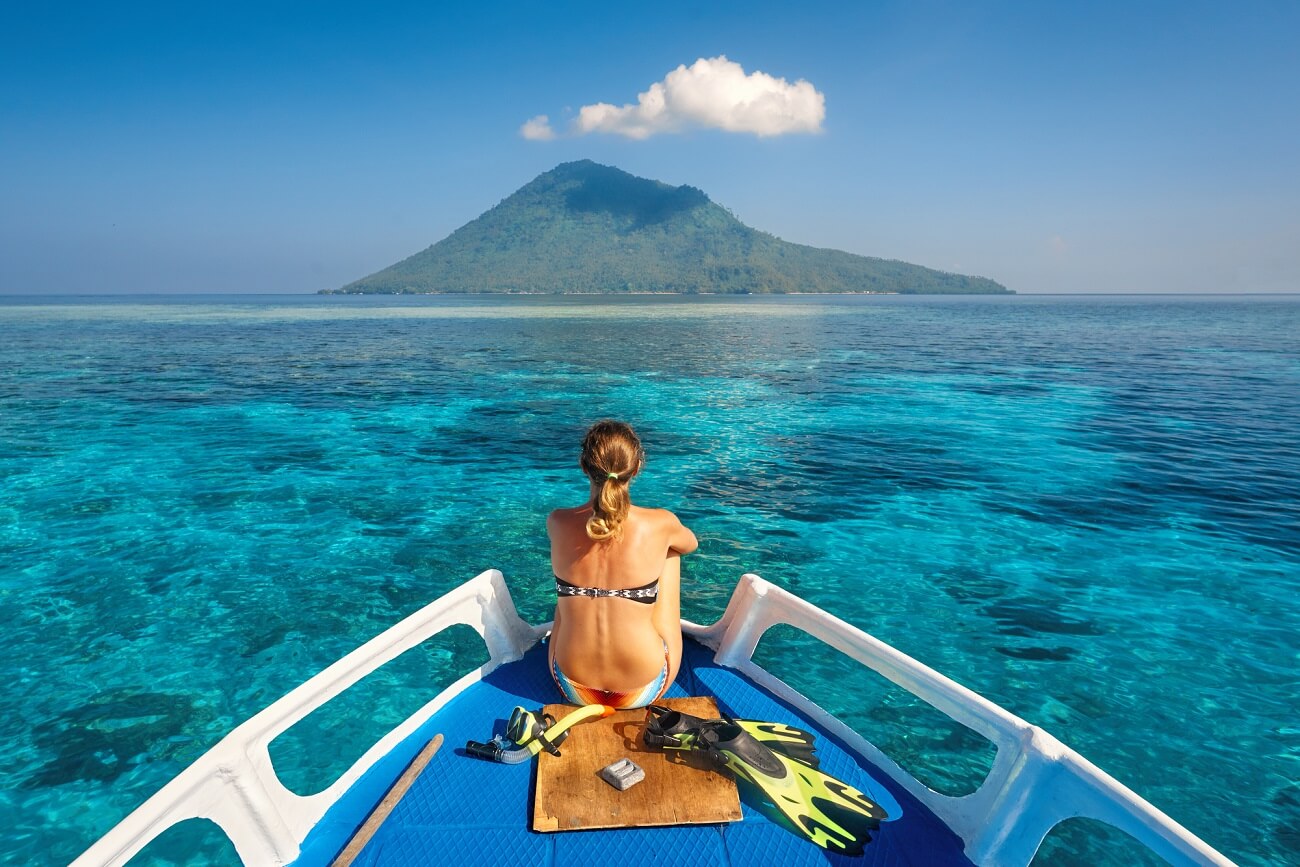
One of the most popular places for a one-day tour. Menjangan is located in the north of Bali and can only be reached as part of an organised excursion. This makes it easier to get permission to visit, since the island is part of a nature reserve. The boat trip to this distinctive island takes no more than 30 minutes. Here you can walk through wild landscapes, watch deer in their natural habitat and even take photos with them. A trip to Menjangan may include snorkelling or diving. The water is crystal clear, and the underwater world of the local reefs is full of variety.

Depositphotos
On the southern Bukit peninsula, one of the most popular activities is walking through the park where the 121-metre statue of Garuda Wisnu Kencana rises, more precisely the Hindu god Vishnu, his mount and the bird Garuda. It is a beautiful corner for pleasant walks with views of the majestic coastal cliffs of Bukit.
Cultural events with traditional dances, shows and Balinese folk music are often held in the park. Here you can fully get to know the authentic culture of Bali. Do not miss the panoramic restaurant Jendela Bali at the top.
Entrance fee: 125,000 IDR.

Depositphotos
Among the dozens of hot springs in Bali, Banjar is one of the most secluded, beautiful and peaceful places. The natural pools are surrounded by lush greenery. Banjar Hot Springs are located in the north of Bali, in the village of the same name. Local people consider the place sacred. The water temperature is 38°C, which makes it very comfortable for bathing in any weather. The water contains a lot of sulphur, so it is believed to have healing properties. On the site there are the necessary facilities - showers, changing rooms, toilets and an authentic little restaurant.
Entrance fee: 125,000 IDR.

Depositphotos
One of the most Instagrammable waterfalls in Bali. Tukad Cepung is located in the jungle, in the village of Penida Kelod, south-east of central Bali. It falls into a deep canyon, creating an incredibly beautiful play of light and shadow. The height of the waterfall is about 15 metres. For the best photos, choose midday on a sunny day. A visit to Tukad Cepung is usually included in excursions together with other waterfalls and island safari trips.
Entrance fee: 10,000 IDR.

Depositphotos
The highest in Bali. The water drops from a height of up to 70-80 metres. Sekumpul is a complex of seven waterfalls, but only two of them are open to visitors. The road here is not easy, but very impressive. It is better to choose an organised tour, so you do not waste a lot of time trying to find the place in the jungle. The area is very quiet, because it takes quite a long time to get to northern Sekumpul from the busy southern resorts. It is possible to walk here from the villages of Sekumpul and Lemukih.
Entrance fee: 15,000 IDR.

Depositphotos