Tips for tourists in Indonesia - how to avoid spoiled holidays
By Viktoria Mudra
21.12.2025
Indonesia ranks 76th in the ranking of the safest countries in the world. Not bad enough to decide on a trip. Most of the locals are friendly to tourists and are always ready to help. But there are nuances that you need to know so that the trip goes without unnecessary adventures.

Depositphotos
Do not catch a taxi on the street, it is better to order a car from a travel agency. At the end of the trip, you can be provided with a space bill, forcing you to withdraw money from an ATM. And tourists complain that an unofficial taxi can leave without giving the passenger the suitcases.
If you book a taxi on a mobile app, make sure that the car you called arrived by checking the driver’s identity. Share your trip with a friend using the app. Be wary of drivers claiming to be registered with online ride-hailing apps but trying to pick up passengers on the street. If you have to catch a taxi, make sure you are aware of the fares and discuss the cost of the trip in advance.

Depositphotos
With the choice of dishes should be more careful. Eating in the first cafeteria is dangerous to health. In Indonesia, hygiene is not always a good thing. And lack of proper standards and sanitation can cause bacterial infections.

Depositphotos
With tap water, you run the risk of spending your vacation much less romantic, or even having to get acquainted with Indonesian medicine. Locals do not drink tap water, so the government is not particularly concerned about its quality. In such water, you can take a shower, but washing fruits or vegetables with it, using it for cooking, brushing your teeth is a bad idea. Avoid using ice in your drinks as well.

Depositphotos
Theft is quite common. Be careful in public transport and markets. The crowded tourist areas, particularly in Bali, are full of pickpockets. Be sure to leave valuables in the room and keep the bag handy while walking. The rate of robbery in Indonesia is not as high as pickpocketing, but try to avoid deserted places. Do not bring gold or diamond jewelry on vacation to avoid painful losses.

Depositphotos
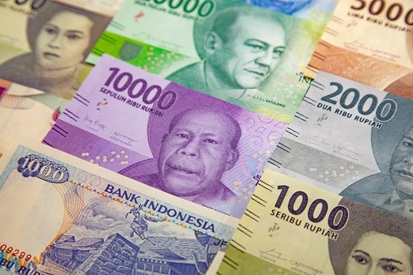
Tourists are easy prey for scammers and they take full advantage of it. Avoid street currency exchanges that offer exchanges above the real rate. And also bypass the exchange offices located in dark alleys. You can be forced to withdraw money from the card under the threat of physical violence. Use only licensed currency exchange offices. They can be distinguished by the presence of a special plate and the official name of the enterprise, as well as logos and certificates issued by the Bank of Indonesia. They must have a QR code that, when opened, displays business information and license confirmation.
Use only official ATMs inside banks or businesses. Exercise general caution: hide your PIN and check your bank account regularly to detect fraudulent activity.

Depositphotos
Indonesia has a higher risk of infections than other countries. According to experts, vaccinations against yellow fever, typhoid, rabies, cholera and hepatitis B are also common in rural and remote areas and jungles, so be sure to use mosquito repellents or avoid visiting such places if not necessary.
Make sure you have all the vaccinations and have medications for various tropical diseases that may occur. Take with you a small first aid kit that includes only essentials, basic medications for stomach infections and injuries.
Consult your doctor about what medical care you may need before traveling to Indonesia.

Depositphotos
Indonesia is not the safest place for independent travelers. Be careful to avoid places filled with bars and nightclubs. Be careful, being in such a place, never accept drinks from strangers and do not leave your cocktail unattended on the table.

Depositphotos
Indonesia is a predominantly Muslim country, and this affects the views of the local people. The safest option for LGBT people is to book friendly hotels. There are many in Indonesia. There are also many bars, nightclubs, loyal to people with a non-traditional orientation. Please note that Sharia law is enforced in Aceh. It is the only province in Indonesia where such laws apply to Muslims and other religions. Homosexual activity is prohibited under Sharia law.

Depositphotos
If you have a tight budget, you can book a cheaper hotel, but in a tourist area. Always check hotel ratings and reviews before booking. Once registered, inspect the surrounding area for hidden cameras or other suspicious items.

AYANA Resort Bali
Indonesia is located in the Pacific Ring of Fire, an area that is subject to high tectonic activity. Natural disasters are not uncommon.
Disasters don't happen that often. But make sure you keep up to date with the latest news before you go on a trip.

Depositphotos
In local bars you can find a traditional Balinese drink known as Arak. It can be based on methanol, which causes severe diseases, and sometimes even provokes the development of blindness. Be careful when consuming cocktails and drinks prepared on the basis of alcohol, avoid homemade alcoholic beverages.
Cases of unlicensed beverage poisoning have occurred in bars, shops and even hotels in tourist areas such as Bali, Lombok, Gili Islands and Sumatra. Be very careful when choosing alcohol. Bottles can look authentic when they are not, and labels are simply fake. To protect yourself from surrogate poisoning, buy alcoholic beverages in reputable licensed establishments and check the tightness.

Depositphotos
There is a high risk of terrorism in Indonesia. Attacks occur without warning. They target police stations and other public places such as hotels, bars, nightclubs. Terrorists mainly target tourists from the West and civilians. The Indonesian government has taken a number of counter-terrorism measures that have proven to be quite effective. Always keep your contacts with you for emergencies and report any suspicion to the authorities.
There are civil unrest in Indonesia related to political and religious conflicts. The political situation in Indonesia is stable at the moment, but watch local news before you travel. It is advisable to avoid travel to Indonesia during the voting season. Mass demonstrations at this time are quite common and often escalate into violence.
Since Islam is the faith of most Indonesians, it’s worth behaving respectfully and following the rules if you’re out of a hotel or tourist area. Ramadan is a holy month for Muslims. Dates vary by year and country. At this time you can not: eat, drink, smoke or chew gum in public places during the daytime, turn on loud music in the car, swearing in public. Upon arrival, you will receive additional religious advice from your guide or hotel representative.
Driving in Indonesia is bad – there is unscrupulous chaos. Be sure to wear a helmet if you are riding a motorcycle or motorcycle. There are accidents. And when renting a scooter or car, learn all the nuances of insurance.

Depositphotos
A boat or ferry ride can be alarming as sea weather conditions can change rapidly. Vessels are overcrowded and overloaded, poorly maintained, and safety standards vary from supplier to supplier. Life jackets suitable for children are not always available. Also, do not forget about seasickness medications.

Depositphotos
Indonesia is strict on its rules and regulations. To avoid legal or criminal charges, understand local laws:

Depositphotos

Depositphotos
Keep your emergency number on your phone.
Indonesia is a beautiful friendly country, but it is still worth being prepared as a tourist so that nothing overshadows your long-awaited trip.

Depositphotos