Sumba Island in Indonesia: how to get there, where to stay, and things to do
By Anna Skumina
18.05.2026
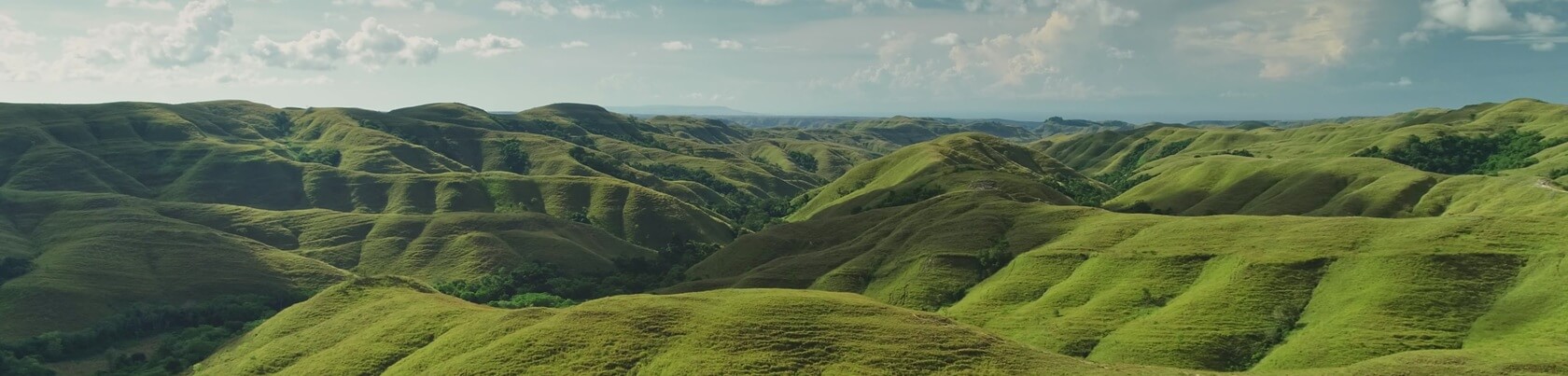
Sumba Island, located in Eastern Indonesia, is part of the Lesser Sunda Islands and administratively belongs to the province of East Nusa Tenggara. Here, among untouched landscapes, you will find unspoiled beaches washed by turquoise waves and authentic villages that carefully preserve ancient traditions.

Depositphotos
The easiest way to get to Sumba Island is by plane from Bali. There are daily flights from Ngurah Rai International Airport in Bali to the airports of Tambolaka and Waingapu. Flights are operated by Garuda Indonesia, Nam Air, Citilink and Wings Air. There are also flights to Waingapu from Kupang and from the island of Flores.
In addition, you can use the ferry connection from Bali or Kupang, but such a trip can take up to 24 hours.

Depositphotos
In ancient times, megalithic cultures were present here, as evidenced by numerous stone monuments and burials scattered across the landscape. These megaliths are an integral part of the belief system of the island's population and are still used in traditional ceremonies.
During the colonial period, Sumba, known as the "sandalwood island", attracted various European powers, including the Portuguese and the Dutch. At the end of the 19th century, control over the island was established by the Dutch East Indies. In 1949, Sumba became part of independent Indonesia.

Depositphotos
The central role in the culture of Sumba is played by Marapu - the belief system of the indigenous population. Marapu rituals include offerings, animal sacrifices and dances in honor of ancestors and spirits of nature. These ceremonies are often communal in nature, bringing whole villages together.
The main occupation of the island's inhabitants has long been agriculture, as well as keeping domestic animals. In addition, traditional crafts are popular, including stone carving and weaving.
Sumba is also famous for the Pasola festival - an annual event held in February-March. The festival includes a traditional war game during which horsemen from different villages take part in battles with spear throwing. In the past, Pasola was accompanied by harsher contests, and people believed that the blood spilled during the duel would ensure a good harvest. Now the ritual is an imitation of battle.

Depositphotos
The island offers a variety of adventures and experiences, from exciting cultural festivals to relaxing beach holidays and horseback rides.
Visiting traditional villages such as Ratenggaro, Prai Ijing, Tarung and Pakat allows you to take a look at the ancient customs and architectural styles of Sumba. These villages are distinguished by traditional houses with thatched roofs and authentic structures, and the residents are ready to welcome guests and show their way of life.

Depositphotos
Sumba boasts magnificent beaches, including:

Depositphotos
The rugged landscape of Sumba offers excellent opportunities for hiking. Traveling through the districts of the island, tourists can discover hidden waterfalls such as Waimarang, Tanggedu, Matayangu and Lapopu, and enjoy panoramic views from the highlands. Birdwatching is also popular: the island is home to several endemic species.

Depositphotos
This small lagoon, located near the village of Kalena Rongo in the western part of the island, offers immersion in calm, turquoise waters and beautiful landscapes. The lagoon is surrounded by rocky cliffs covered with lush greenery. Here you can swim in clear water and take striking photos against the landscapes.

Depositphotos
The island is famous for its textiles, or more precisely, for the traditional weaving technique called ikat. Handmade masterpieces decorated with geometric patterns and symbolic motifs are a valuable part of Sumba's cultural heritage. Each region has its own ikat patterns, often depicting motifs from nature, mythology and everyday life.
By visiting weaving centers, you will be able to see the complex process of creating the famous textiles and even learn the basics of this ancient art. By buying textiles, as well as bracelets, napkins, baskets and other products here, you support the locals and contribute to the preservation of traditional crafts.

Depositphotos
Sumba Island offers excellent conditions for surfers of different skill levels. Among the best spots on Sumba are Pero, Waingyapu and Occy’s Left. Access to the last location is limited and is provided exclusively to guests of NIHI Sumba - a 5-star resort that is among the top five eco hotels in the world.
To preserve comfortable and safe surfing conditions, NIHI Sumba limits the daily number of visitors. No more than 12 registered surfers per day have the opportunity to try Occy's Left.

NIHI Sumba
On Sumba Island and around it there are locations for snorkeling and diving. In particular, the opportunity to explore the underwater world is provided by Sumba Adventure Resort, offering shore scuba diving as well as boat dives. In addition, NIHI Sumba resort has a good house reef inhabited by marine life.

NIHI Sumba
Explore the landscapes of the island on horseback. In particular, the resorts Sanubari and NIHI Sumba offer horseback rides along picturesque beaches through local villages, swimming in ocean waters in the company of noble animals, and other excursions that allow you to see the scenic landscapes of Sumba from a unique point of view.

NIHI Sumba
Sumba's hotel infrastructure is not as developed as on the popular tourist islands, however the island can offer travelers a number of excellent options:

Lelewatu Resort Sumba