Veuve Reserve on La Digue Island: how to visit and what to see
By Anna Skumina
13.09.2026
Island La Digue is best known for Anse Source d'Argent Beach, but just a few minutes away by bicycle there is a place that deserves just as much attention. Veuve Special Reserve is a small nature reserve created to protect one of the rarest bird species in the world - the Seychelles black paradise flycatcher (Terpsiphone corvina). This is where you can see a bird that is found only in the Seychelles and has long become a symbol of the archipelago's conservation programmes.
Despite its compact size, the reserve offers a chance to discover another side of La Digue - quiet tropical forests, endemic flora and fauna, and a unique ecosystem that has remained almost untouched.

Depositphotos
The reserve is located in the central part of La Digue Island, about 2 kilometres from the jetty where ferries arrive from Mahé and Praslin. Thanks to the island's small size, it is easy to get here independently by bicycle - the most popular form of transport on La Digue.
Many travellers combine a visit to Veuve Special Reserve with other attractions on the island. Very close by is the historic L'Union Estate, where you can see giant tortoises, as well as the famous Anse Source d'Argent Beach, which is considered one of the symbols of the Seychelles.

Depositphotos
Although the reserve covers only about 21 hectares, it is considered one of the most important conservation areas in the Seychelles. Thanks to its creation, it was possible to preserve the population of the Seychelles black paradise flycatcher - an endemic bird that was on the verge of extinction just a few decades ago.
Today, Veuve Reserve attracts not only birdwatchers but also ordinary travellers. Here you can:
Even if you are not interested in birdwatching, a walk through the reserve is a pleasant opportunity to take a short break from a beach holiday and see what La Digue was like before the development of tourist infrastructure.

Veuve Special Reserve
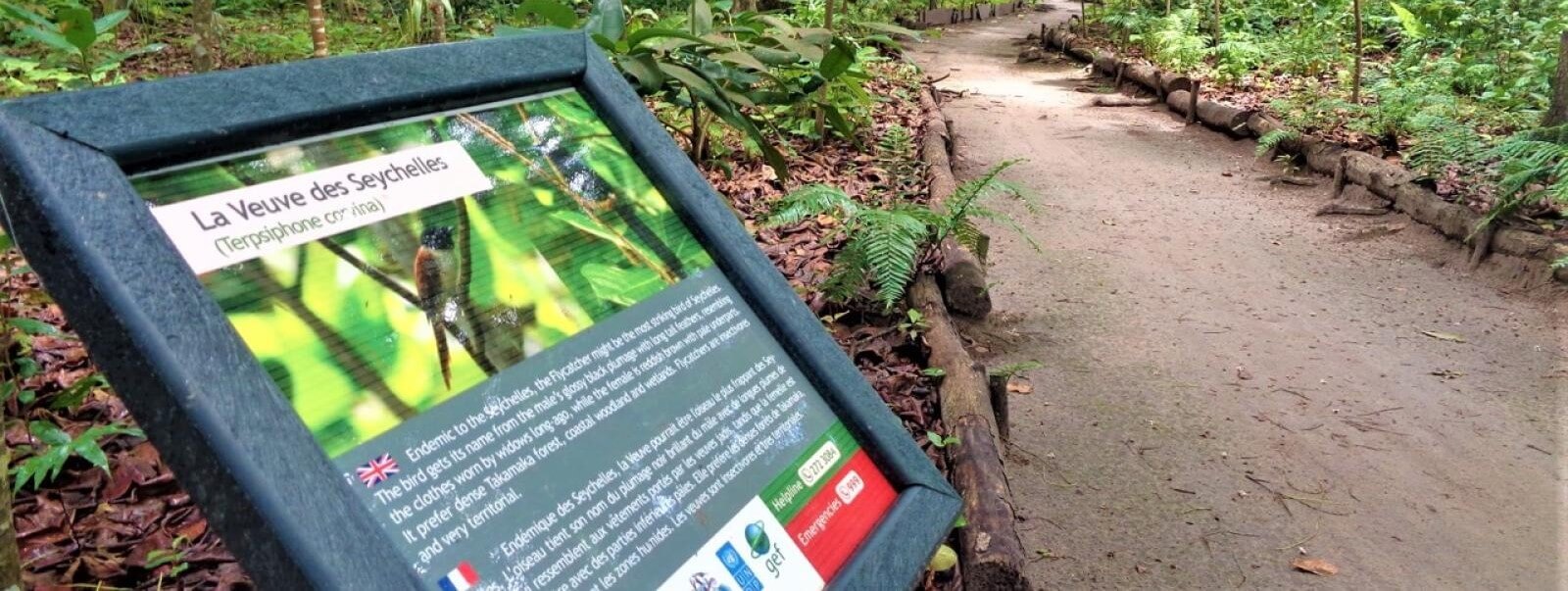
The main treasure of Veuve Special Reserve is the Seychelles black paradise flycatcher, which local residents simply call Veuve. The male is easy to recognise by its long black tail, which looks particularly impressive in flight. This unusual feature has made the bird one of the symbols of La Digue Island.
In addition to the flycatcher, the reserve is home to other representatives of the local fauna: the Seychelles bulbul, sunbirds, fruit bats, giant land crabs, various species of geckos, freshwater turtles and other inhabitants of humid tropical forests.
The reserve combines dense tropical vegetation, mangrove areas and small wetlands, creating a favourable habitat for many endemic species of animals and plants.
Nature lovers should also visit Vallée de Mai on Praslin Island - another famous nature reserve in the Seychelles, listed as a UNESCO World Heritage Site.

Depositphotos
You can explore Veuve Special Reserve independently or with a local guide. Most of the route follows convenient dirt paths and wooden walkways, so the walk does not require any special preparation.
There is a small information centre at the entrance where you can learn more about the Seychelles paradise flycatcher conservation programme, the history of the reserve and the features of the local ecosystem.
A walk usually takes 30-60 minutes, although nature lovers often spend much more time here watching birds and photographing the tropical forest.
It is best to come in the morning, when the air temperature is still comfortable and the birds are most active.

Veuve Special Reserve
Veuve Reserve is open to visitors all year round and is considered one of the most accessible natural attractions on La Digue Island. Thanks to its compact area, a walk does not take much time, so it is easy to combine it with visits to other interesting places on the island.
If you plan to photograph birds, bring binoculars or a lens with good zoom. Closed shoes, drinking water, a hat and mosquito repellent will also be useful for the walk, especially after rain.

Veuve Special Reserve
A visit to the reserve is easy to combine with other attractions on La Digue. Most of them are only a few minutes away by bicycle.
The historic L'Union Estate is considered one of the island's most popular places. It has preserved an old plantation house, a coconut mill, a vanilla plantation and an enclosure with Aldabra giant tortoises. The road to the famous Anse Source d'Argent Beach passes through the estate.

L'Union Estate
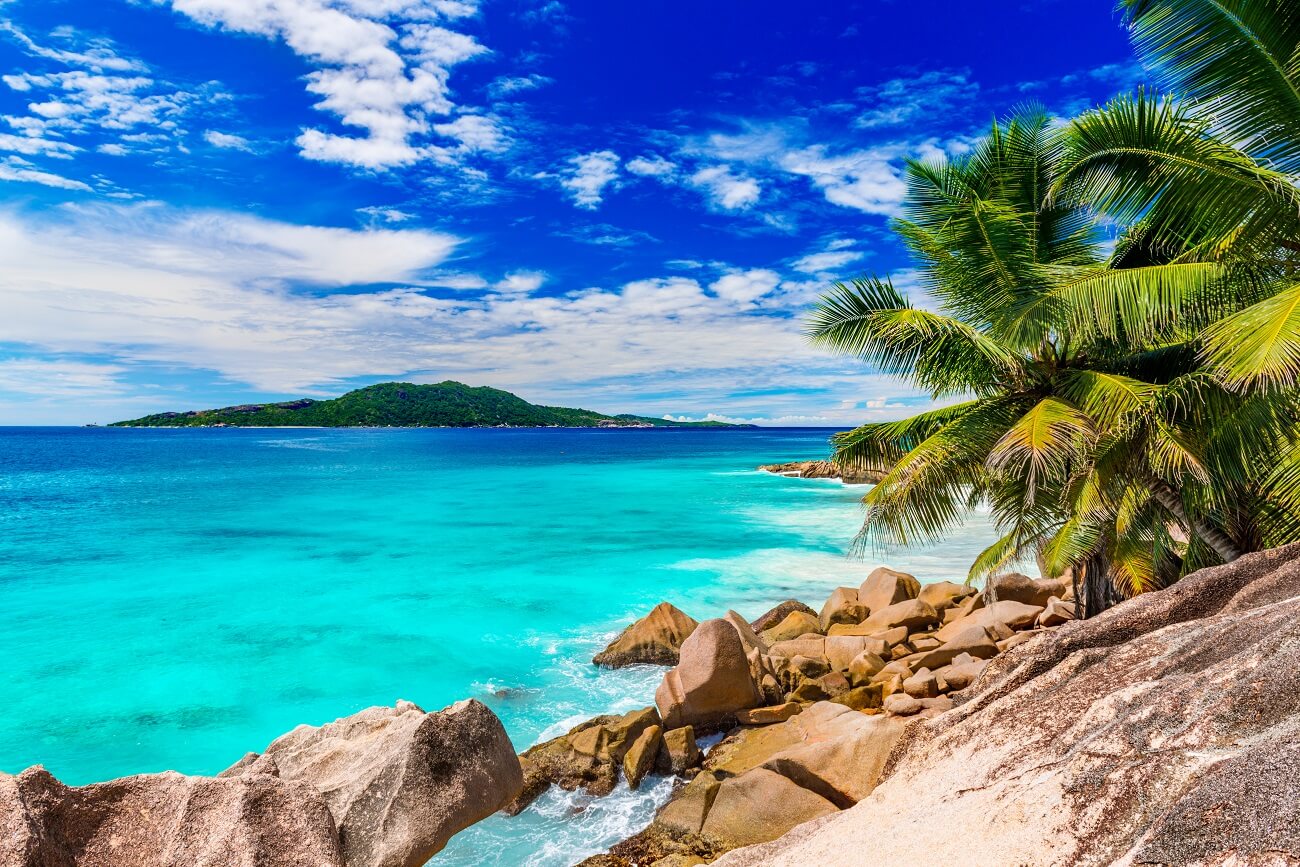
Just a few minutes away is Anse Source d'Argent - one of the most recognisable beaches in the Seychelles. Its granite boulders, white sand and calm lagoon attract thousands of travellers and photographers from around the world every year.

Depositphotos
To see a wilder side of the island, head to Grand Anse. This wide beach with powerful ocean waves is noticeably different from the calm lagoon of Anse Source d'Argent and is considered one of the most scenic places on La Digue.
If you are planning to spend a full day on La Digue, be sure to include Veuve Reserve in your itinerary. The walk will take very little time but will be an excellent addition to a visit to L'Union Estate and Anse Source d'Argent Beach.

Depositphotos