West Timor - an unexplored corner of Indonesia
By Anna Skumina
03.03.2026
In a world where travel websites and guidebooks compete for the attention of travelers, there is an understated location, modestly marked on the map, but full of hidden secrets. Welcome to West Timor - a world of ancient cultures, where untouched nature awaits you, still untouched by mass tourism, along with unique traditions of hospitable local people and the chance to discover the mysteries of Indonesia’s colonial past.
General information

Depositphotos

Depositphotos
Timor had rich sandalwood resources, was actively trading with countries of Southeast Asia, and became an object of interest for the Portuguese, Dutch, and British, who actively fought for power in the region.
The colonization of West Timor by European states is one of the most important chapters in its history. The island was first colonized in the 16th century by the Portuguese, who established trading posts here and controlled the region for several centuries. However, as a result of long confrontations and battles, by the beginning of the 20th century the Dutch gained control over most of Timor.
During the Second World War, Timor was occupied by the Japanese army, but after Indonesia gained independence in 1945, West Timor became part of the new Republic of Indonesia.
Today, the economy of the region is based mainly on agriculture, including the cultivation of rice and corn. Fishing and weaving are also popular.

Depositphotos
Tourism plays an important role in showing the unique heritage of West Timor to the world. Visitors to the island have the opportunity to immerse themselves in traditional village life, take part in cultural events, and admire the skills of local artisans. There is no shortage of experiences in West Timor - from exploring local villages to trekking through lush green tropics.
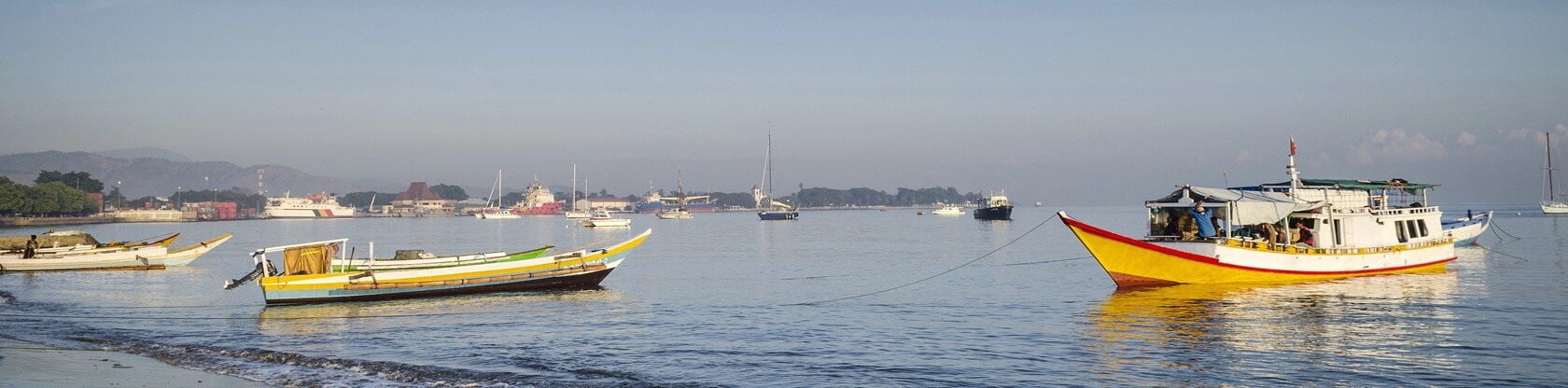
Kupang is the capital of West Timor and the starting point for getting to know the region. Visit the markets to see everyday life and buy crafts and souvenirs, stop by Nostalgia Park, where the local landmark Gong Perdamaian, the Peace Gong, is located, and admire the sunset on Lasiana Beach, Batu Kepala Beach, or Kelapa Satu Beach.
The Kupang Museum contains artifacts, textiles, and various exhibits showing the rich heritage of the region. You will learn about the history, traditions, and way of life of local residents.

Chrisdev, Public domain, via Wikimedia Commons
About 17 kilometers from Kupang, a small three-level waterfall called Oenesu awaits you. Hidden from the noise of the city, it attracts visitors with its peaceful atmosphere. When planning the trip, it is worth considering that during the dry period the water flow becomes smaller, and the location itself, although it has potential, still needs some improvement in maintenance and service.
Another interesting natural attraction located about 15 kilometers from Kupang, in the town of Bolok. Explore the cave, cool off in the refreshing water, and take photos. The best time to visit is the first half of the day, when sunlight partly enters the cave and gives it extra charm and color.
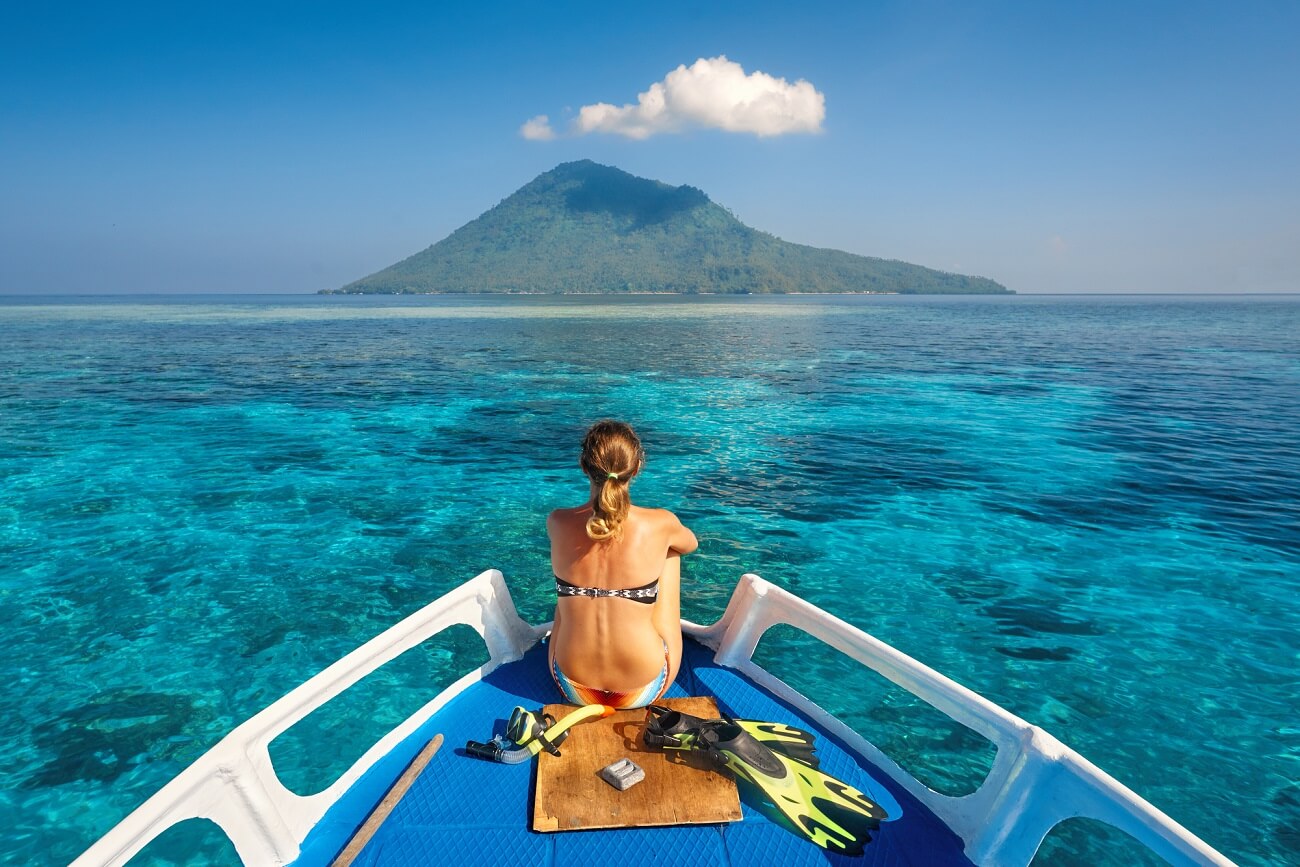
Rote Island is famous for its beautiful beaches and excellent surfing spots. Nemberala Beach and Bo’a Beach are popular with surfers and beach lovers. In addition, on the island you can go snorkeling, diving, and fishing. To get here, you can use the daily ferry from Kupang.

Depositphotos
This small island natural tourism park has dense palm groves and mangroves, as well as a beautiful beach where sea turtles lay their eggs. The park is home to a range of animals, including the Timor deer and the saltwater crocodile.
This tiny island, which can be reached by boat from Kupang, offers the chance to see the Macassan fishing village, explore the beaches, or snorkel on the reef along the shore.
The towns of Kefamenanu and Soe are convenient starting points for visiting the island’s authentic settlements. There you can arrange transport and a guide who knows the local languages and customs.
About an hour from Kefamenanu there is the mountain village of Tamkesi, and a few hours from Soe there is the village of Boti - one of the most unusual in the region. Also, about 35 kilometers from Soe is the village of Fatumnasi, near which there is the starting point for climbing Mount Mutis.

Depositphotos
Hiking lovers can climb, accompanied by a local guide, the highest peak of West Timor - Mount Mutis, which has an altitude of 2427 meters. During the hike, amazing views open up over the island and its rich green landscapes. The area around Mutis is a national park of about 12,000 hectares, home to many species of birds and mammals.
West Timor offers a variety of accommodation options - from very modest places costing a few dollars per night to comfortable hotels, most of which are concentrated in the city of Kupang. Among the popular options:
Despite its modest place on the world tourist map, West Timor charms travelers with its authenticity.

ASTON Kupang Hotel & Convention Center