Yogyakarta - all about the historic city of Java
By Anna Skumina
12.12.2025
Yogyakarta is one of Indonesia’s main cultural centers, known as the cradle of Javanese civilization and the birthplace of Indonesian arts. It's a vibrant city with a variety of concerts, traditional dances and festivals, exhibitions, and museums, significantly different from, for example, the capital, Jakarta. Yogyakarta ranks second in Indonesia in terms of tourist traffic, after Bali.
The ancient history of Yogyakarta can be traced in such iconic places as the water palace of Taman-Sari, and, of course, the legendary temple complexes of Borobudur and Prambanan. Old streets are decorated with colorful graffiti, bright batik and advertising posters of the next art spaces. Authentic gamelan music is heard from everywhere, and the special charisma of the ancient city attracts like a magnet. Among other things, Yogyakarta is the gateway to the formidable Merapi volcano. To fully enjoy the atmosphere and main locations of the city and surroundings, you need to tune in to intensive travel for at least two weeks.

Depositphotos

Depositphotos
Buses run along Yogyakarta, but it is not easy to understand the routes, and you should not expect traffic to meet the official schedule. You can rent a car. For quick movement around the city, it is better to use a motorcycle taxi. The most popular apps to call are Grab and Gojek. It is an inexpensive and convenient means of transportation in the busy streets of Yogyakarta.

Depositphotos
In translation, the name can be designated as “a city fit for prosperity”. This has been the case since the beginning of its history. In the 8-10 centuries, the Mataram Empire was established here, in the era of which the temple property of Borobudur and Prambanan was created. During the Sultanate period (1575 to 1620), one of the districts of the present city was rebuilt as the capital. The present-day territories were identified as Yogyakarta in 1755, when a land dispute divided the powerful power of Mataram into the Yogyakarta and Surakarta sultanates (Solo). Prince Mangkubumi built the Yogyakarta Kraton and created one of the most powerful Javanese states in history.

Depositphotos
There are more than enough places in the cultural capital. To experience the ancient history of Indonesia’s last sultanate, take a stroll through the Kotagede district. The period of colonial wars is evidenced by Fort Fredeburg. You can see the songbirds that the Javanese people love so much, as well as the famous black roosters, exotic iguanas and other animals at the bird market. To eat in one of the many cafes, try Italian gelato in Java and have a good coffee - choose Prawirotaman. Shopping on the main shopping street Malioboro has not left anyone indifferent. By the way, here you can and should bargain. From the southern part of Maliboro, you enter the Sultan’s Water Palace.

Depositphotos
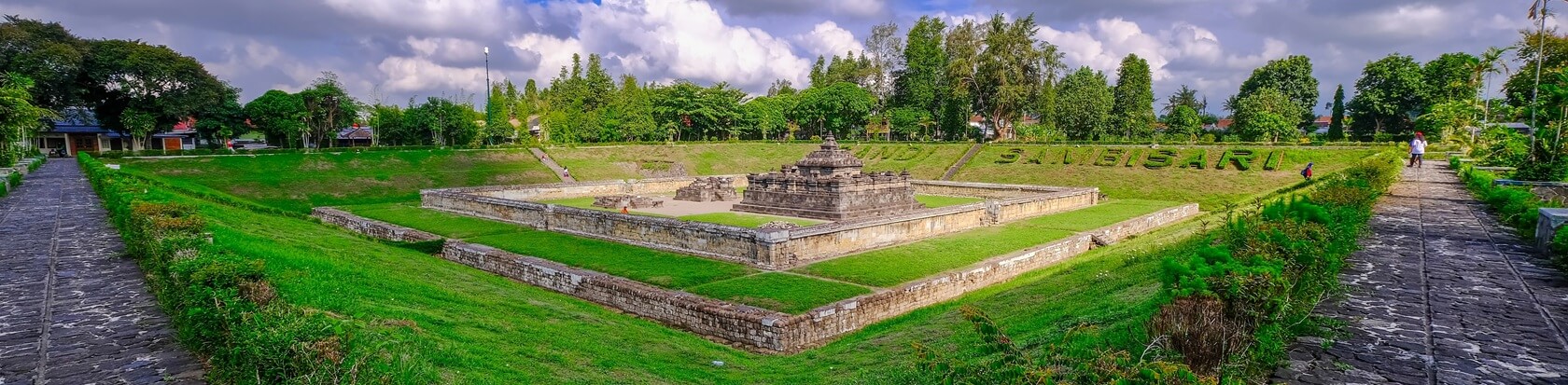
Taman-Sari Palace (or Beautiful Garden), which is so popular with tourists in Yogyakarta, is just a piece of the once huge center of sultan power, most of which, according to historians, did not spare the Merapi volcano. It is a park with palaces, canals, swimming pools, grottoes, tunnels and even an underground mosque, built in 1758 according to the designs of the Portuguese architect. Preserved two-storey palace and three communicating pools, which were once fonts of the sultan, his children, wives and concubines. The extraordinary architecture of the palace, an artificial lake, underground labyrinths and a complex sewerage system still amaze with intricate originality.
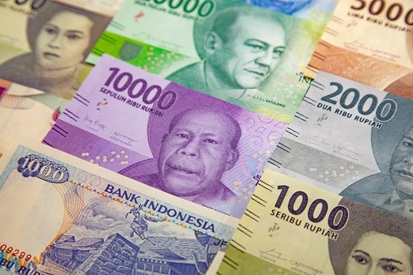
Visitation: About 15,000 Indonesian rupees, there is a separate price for photo and video shooting. The history of Taman-Sari is very interesting, so you should use the services of a local guide.

Depositphotos
The Hindu Worship Center in Java and a UNESCO World Heritage Site erected in the 9th century on the slope of the Merapi volcano. It is one of the largest and most visited Hindu temples in all of Southeast Asia. The complex of monumental structures of Hindu and Buddhist direction consists of 224 temples and is a protected archaeological park of Indonesia. The main temples are dedicated to the Hindu gods Shiva, Vishnu and Brahma. Prambanan also tells the epic Indian story of Ramayana, in which a prince must save his wife from a demon king.
Visitation: About 400,000 Indonesian rupees for a foreign tourist. From Yogyakarta to Prambanan about 18 kilometers by car, motorcycle or as part of a tour by bus.

Depositphotos
The majestic Borobudur is the pride of the locals and the main center of strength of the Buddhist faith in Indonesia. The complex is located just 20 kilometers from Prambanan and was built with it in the same century, from the 8th to the 9th century. During the eras, Borobudur was subjected to serious tests, including the eruption of the Merapi volcano. Restored in the 19th century, the complex is included in the list of UNESCO sites. It is a magical place with a special atmosphere. The Javanese believe that the first rays of the sun you see on Borobudur will shed light not only on the valley, but also on the soul. Therefore, every person on earth should meet the dawn here at least once in his life.
Visitation: About 400,000 Indonesian rupees for a foreign tourist. The distance from Yogyakarta is 40 kilometers.

Depositphotos
Visiting temples can be diluted with natural riches. A 2-hour drive from Yogyakarta is Kalibiru National Park. This is an incredible place to go to realize the greatness of nature. An active tour of the park ends on a wooden platform on top of a tree, overlooking Lake Sermo. A unique experience can be a zipline "Flying Fox". Also in the park there are many gentrified trails for hiking and mountaineering places. Keep in mind that on weekends, the park and places for photo shoots on treetops are very busy, so go on weekdays if possible.

Depositphotos
Parangtritis Beach is the most popular among locals and tourists coast of the Yogyakarta region, which is located 30 kilometers from the city center. It is a wide sandy beach where the waves almost always rage. The sunset here is so incredible that it is worth going to the beach for it. Natural conditions allow you to develop sandboarding on Parangtritis and ride quad bikes along the coast. Bright horse carts for a walk on the beach are a local business card.
On the ocean coasts closest to Yogyakarta, there is often bad weather, so if you want to spend time by the water, alternatively you can consider water parks, which are an excellent choice in Yogyakarta.

Depositphotos
This is one of the best places in the world to witness a volcanic eruption. At 20 kilometers from Yogyakarta there is an active Merapi. Locals have long been accustomed to lava flows from the mountain and are not particularly worried, as they believe in the mythical pact signed between the sultan dynasty, the spirit of the volcano and the goddess of the southern seas Nyi Roro Kidul. The foothills of Merapi can be explored on a jeep. The journey will be impressive..

Depositphotos
Wayang Kulit. The traditions and arts of Yogyakarta have ancient roots. No one will be indifferent to the traditional Indonesian shadow theater Wayang Kulit. This is an amazing performance, which in full form lasts 8 hours, that is, all night. The plots and characters of the performances are borrowed from the ancient Indian epic Ramayana and Mahabharata. In Yogyakarta, you can visit the play “Sudamala” at the Sasono-Hingil Theater and the play “The Death of Kumbakarna” at the Sono-Badoyo Museum Theater. Wayang Kulit reflects Javanese culture and impresses with originality.
Batik. Genuine Javanese batik is an original art form that is of interest to tourists. In Yogyakarta, you can visit the Batik Museum, which contains a collection of fabrics from more than 1,200 samples and ancient equipment for its manufacture. To delve deeper into the topic, head to the Winotosastro batik factory, where fascinating master classes are held.

Depositphotos
From May to October, the weather in Java is relatively comfortable for active travel and bright photos. The rains are short-lived and not frequent, and the sun immediately looks out behind them. The hottest months are May, September and October, when the average temperature is between 27 and 29 ° C.

Depositphotos
Yogyakarta cuisine is based on traditional Javanese tastes and offers a wide range. Do not forget to try "gudeg", one of the main local dishes, which is characteristic of Yogyakarta, as well as the traditional snack-cookie "bakpia" and a natural herbal drink "jama", which is prepared according to the oldest recipe. Food in the colorful restaurants of Yogyakarta is relatively soft, without hellish spiciness. Most flavors have a sweeter base. When choosing street-type food establishments, pay attention to the general environment and cleanliness, so as not to spoil the vacation time with poor health.
Be sure to visit Yogyakarta:

Depositphotos
In Yogyakarta a huge selection of housing offers - from Guests costing $ 10 per night to comfortable hotels with a level of service of 3, 4 and 5 stars. Some of the most popular hotels and hotels with good location, amenities and reviews:

Melia Purosani Yogyakarta