Mauritius Attractions: 27 Best Places to Visit
By Anna Skumina
26.12.2025
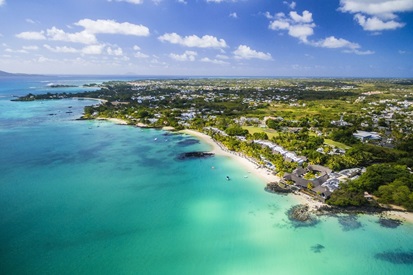
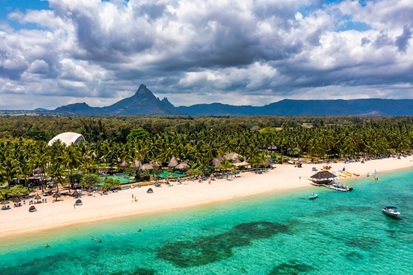
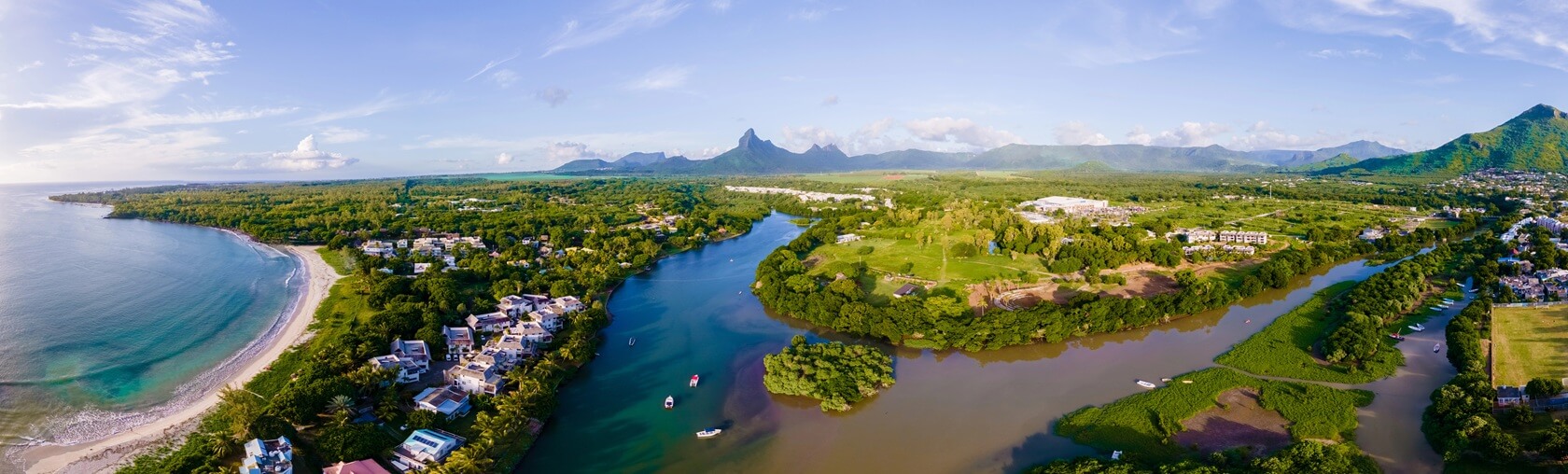
Mauritius is a popular tourist destination thanks to its mild climate, beautiful beaches, and stunning natural beauty. Volcanic craters and turquoise lagoons, ebony forests and tinted sands, waterfalls, gorges, and tropical gardens. So many natural wonders are concentrated in a relatively small area that every day of your Mauritius vacation can turn into a new, exciting discovery.

Depositphotos
Mauritius' most breathtaking natural sites in your island itinerary .
One of the most picturesque. It consists of seven cascades, each hidden among dense tropical foliage. Streams of water rush down from a combined height of approximately 300 meters, creating natural pools. This is a spectacular hiking trail with swimming. Due to the multi-layered structure of the cascades, tourists often choose to join a guide who will help them navigate the trails safely and find the best photo spots. This place is considered the island's best natural "water park." Here you can swim in the waterfalls and go canyoning.

Depositphotos
Rochester Falls is one of the most photogenic waterfalls on the island. It's surrounded by basalt cliffs and vertical columns formed by ancient volcanic activity. The water falls from a height of about 10 meters, and the force of the fall is especially impressive during the rainy season. You can swim in the refreshing water here, and the area itself is tropical, wild, and almost untouched.

Depositphotos
This is the tallest single waterfall in Mauritius, reaching a height of approximately 100 meters! Situated in the crater of an ancient extinct volcano, the surrounding landscape is particularly impressive: sheer walls, tropical forest, and a stream of water disappearing into the depths of a gorge. The number of streams varies depending on the season: during the dry season, the waterfall splits into two streams, and during the rainy season, into three. The best viewing platform is located in Black River Gorges National Park. The basalt rocks surrounding the waterfall are estimated to be over 8-10 million years old!

Depositphotos
One of Mauritius' signature features is an incredible natural phenomenon that creates the illusion of a gigantic waterfall descending into the sea abyss. In reality, this is an optical illusion caused by strong underwater currents, depth changes, and shifting sand deposits. The underwater plateau's drop-off depth reaches up to 4,000 meters, which is what makes the waterfall illusion so realistic. However, the effect is only visible from a helicopter or drone. This amazing natural phenomenon is located near the Le Morne Brabant Peninsula, a UNESCO World Heritage Site.

Depositphotos
This sacred lake in the crater of an ancient volcano is one of the most important Hindu pilgrimage sites outside of India. According to legend, the god Shiva spilled drops of the sacred Ganges River here while carrying it on his head across the sky. This is the source of its second name, Ganga Talao (Lake Ganga). The lake is located at an altitude of approximately 550 meters above sea level and is surrounded by Hindu temples and statues of deities. The most impressive is the 33-meter-tall Shiva statue, one of the tallest Hindu statues in the world outside of India.
Interesting fact: Every year, hundreds of thousands of people come to the lake during the Maha Shivaratri festival. In particular, in 2020, the festival attracted about 500,000 pilgrims. This is the largest religious event in Mauritius.

Depositphotos
A unique geological formation—bright sand dunes, seven shades in total. The colors are formed by varying concentrations of minerals—iron and aluminum oxides. Most amazingly, even heavy tropical rains don't blur the colors: each layer remains clearly delineated. There are paths and viewing platforms for tourists, and it's best to visit in the morning, as the colors are especially vibrant at sunrise. Local souvenir shops sell small test tubes filled with colored sand—a popular souvenir.

Depositphotos
Where to go on an excursion in search of tropical landscapes of the island.
La Vanille is one of Mauritius' most popular nature parks, located in the south, near the village of Rivière des Anguilles. It is renowned for its population of giant tortoises, numbering approximately 1,000 individuals, including the rare Aldabra and Mauritanian tortoises. The park is also home to Nile crocodiles, a variety of insects, exotic butterflies, and birds. Here, you can participate in crocodiles and turtle feedings, a particularly exciting experience for children and families.
Interesting fact: the park boasts a unique insectarium with over 20,000 insect species. This is the largest insect collection in the region.

Depositphotos
One of the oldest botanical gardens in the Southern Hemisphere, founded in 1770 by the Frenchman Pierre Poivre, the garden covers approximately 37 hectares and is renowned for its unique collections of exotic plants from around the world, including giant Amazonian Victoria water lilies, bananas, sugarcane, and spices, as well as rare palm species found nowhere else.

Depositphotos
Mauritius's most famous and extensive park covers approximately 65 square kilometers of tropical rainforest. It is home to evergreen forests and unique endemic plants, many of which are protected. The park plays an important role in the conservation of rare bird species. It is also home to the Tamarin, Chamarel, Alexandra, and Gorges waterfalls, as well as the Seven-Colored Sands of Chamarel.

Depositphotos
A unique combination of a petting zoo, safari park, and extreme entertainment zone, the park covers 350 hectares on the island's west coast and offers tourists the opportunity to enjoy jeep safaris and encounters with rare species. Casela is known for its interactive programs with lions, giraffes, and rhinos, where visitors can feed the animals and participate in photo sessions.

Depositphotos
The Ebony Forest is a restored endemic forest in the Chamarel region, helping to preserve rare flora and fauna. Over 140,000 endemic plants have been planted here, including many ancient ebony trees, a symbol of Mauritian nature. The forest is home to rare bird species. Visitors can enjoy guided tours and educational trails, including walking across suspension bridges, planting their own tree, and visiting a museum.

Depositphotos
Visit several sites that reflect the island's fascinating culture and colonial history.
Located on the Caudan waterfront in the capital, Port Louis, the museum's main attraction is the Blue Penny and Red Penny stamps, issued in 1847 and considered among the rarest and most valuable stamps in the world. The museum also offers a detailed account of the island's history, the development of the postal service, and the colonial era. It houses a collection of maps and engravings illustrating the first maritime routes around the island, making it a veritable treasure trove of history for philatelists and history buffs.
A UNESCO World Heritage Site, this immigration center housed approximately half a million indentured laborers from India, China, and East Africa between 1849 and 1923. The complex includes a museum detailing the lives and labors of these early settlers. The complex's architecture combines British and Indian elements, and exploring the grounds offers insight into the social and economic history of 19th-century Mauritius.
Opened in 1812, it is one of the oldest racecourses in the world. Located in Port Louis, it hosts races from March to November. The name "Champ de Mars" derives from the area's military history, and the racecourse itself was built on the site of a former French military parade ground.

Depositphotos
A fortress on the hills of Port Louis, built by the British in the 19th century to protect the city. The ramparts offer stunning views of the capital, the harbor, and the Champ de Mars. Today, it hosts concerts, theater performances, and festivals.

Depositphotos
Dedicated to the god Shiva, it was built between 1854 and 1868 on the northern outskirts of Port Louis. It is one of the most luxurious and impressive temples in Mauritius, with vibrant wall paintings and carvings. The temple is the cultural center of the Tamil community, hosting festivals and religious ceremonies.

Depositphotos
This 19th-century colonial estate is located in the town of Moka, near the capital. The interior evokes the atmosphere of life on the sugar plantations. The estate is surrounded by a picturesque tropical garden with a small waterfall. It is a Mauritian architectural heritage site. You can see original furniture, antique musical instruments, and traditional kitchens. Guesthouses are located on the estate grounds, offering accommodations.

Depositphotos
Situated on Cap Malheureux (Cape of Misfortune) in the north of the island, the church's red roof stands out strikingly against the ocean, and the site is famous for its frequent shipwrecks in the past. A popular location among photographers due to its stunning ocean views and colorful sunsets.

Depositphotos
Built in 1852 at the expense of the local Muslim community in Port Louis, the architecture combines Indian, Creole, and Islamic motifs. The mausoleum of Jamal Shah is located nearby. The mosque remains an active religious center and an important part of the cultural heritage of Mauritian Muslims.
Situated on a colonial estate near the village of Chamarel, the distillery, founded in 2008, offers tours, insights into the rum-making process, tastings, and souvenirs.

Chamarel Rum Distillery
The complex includes a tea plantation, a museum, and a restaurant. The plantation was founded in 1892 and is the largest in Mauritius. Tourists can observe the entire tea production process, from leaf picking to packaging, and sample more than 10 varieties of the beverage.

Depositphotos
The National History Museum (Naval Museum) is located in the Château de Gheude, built in 1772 on the southeastern coast of Mahébourg. The exhibition features unique naval artifacts related to naval battles, shipwrecks, and the French colonial empire. You'll also see the bones of extinct giant tortoises and the famous dodo bird, evidence of their existence on the island. The mansion itself, formerly owned by the Roubillard family, is a national heritage site and is surrounded by a lush park on the banks of the La Chaux River.

Depositphotos
Known as the "Palace Among Gardens," the museum is surrounded by an orchard of nutmeg, clove, lychee, and mango trees. Excursions and tastings of local cuisine are organized, allowing you to experience the atmosphere of colonial life and local gastronomic traditions.

Château de Labourdonnais
Trekking is one of the leading activities in Mauritius.
Black River Peak is the highest point in Mauritius, rising 828 meters above sea level. Part of an ancient volcanic massif, its slopes are dotted with endemic plants. The climb is relatively easy, taking just over an hour and accessible to those with minimal fitness. The park attracts approximately 250,000 visitors annually. From the summit, breathtaking panoramas of the tropical island open up, including the Moka mountain ranges, Black River Gorges National Park, and the turquoise ocean.

Depositphotos
This basalt mountain on the peninsula of the same name rises to 556 meters and is famous for the history of runaway slaves who hid in its caves. The mountain was named after a ship that ran aground in the 17th century. A metal cross stands at the summit, and the climb takes about 3.5 hours. The Le Morne Brabant area is listed as a UNESCO World Heritage Site, and the mountain is considered a symbol of freedom. From the summit, stunning views of the ocean, lagoons, and the famous Underwater Waterfall open up—an optical illusion created by currents and the topography of the seabed.

Depositphotos
The mountain stands 812 meters high, and its name translates from French as "Big Thumb," referring to the distinctive shape of its peak. Located near Port Louis, it is a popular hiking trail. The climb takes about 3.5 hours and offers a viewing platform with panoramic views of the capital and the northwestern regions of the island.

Depositphotos
Lion Mountain, named for its resemblance to a sleeping lion, sits above Grand Port Bay and reaches an altitude of 440 meters. Despite its relatively low elevation, its summit offers a picturesque panorama of tropical forests and the ocean. Lion Mountain is a great place for sunset watching and hiking.

Depositphotos